Paper and binding
Should I use perfect binding, Wire-O or centre staples?
Choose by how the reader holds the book. Test a glued paperback for sustained reading, a wire-bound copy for writing on a desk, or a folded and stapled booklet for a short programme.
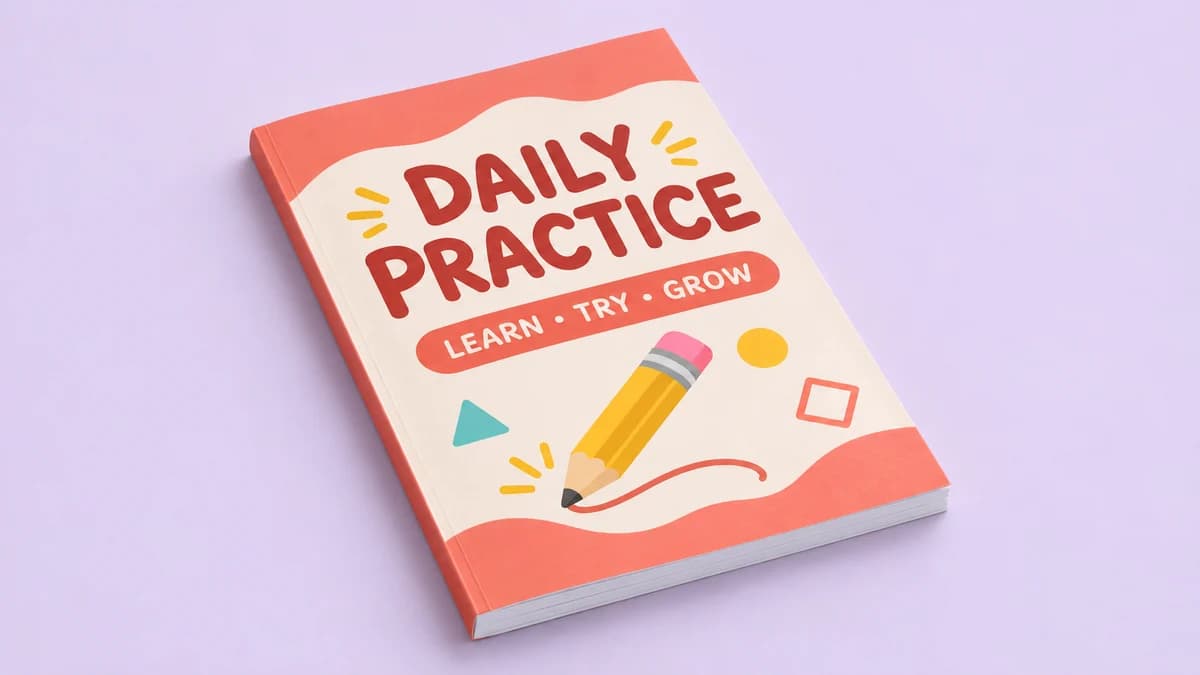
A paperback for reading
Perfect binding holds the pages at a glued spine under a wraparound cover. Set an inside margin that leaves the first words readable when the book opens naturally. For a thick manuscript, use a bound proof with the intended paper and page count to judge that margin.
To test a paperback, ask someone to read a full paragraph close to the binding without flattening the spine. Look at the last letters on a left-hand page and the first letters on the right. If they must force the book open, move the text area outward or revisit the format with the printer. Changing the inside margin can reflow the manuscript, so repeat the cover calculation after layout is final.
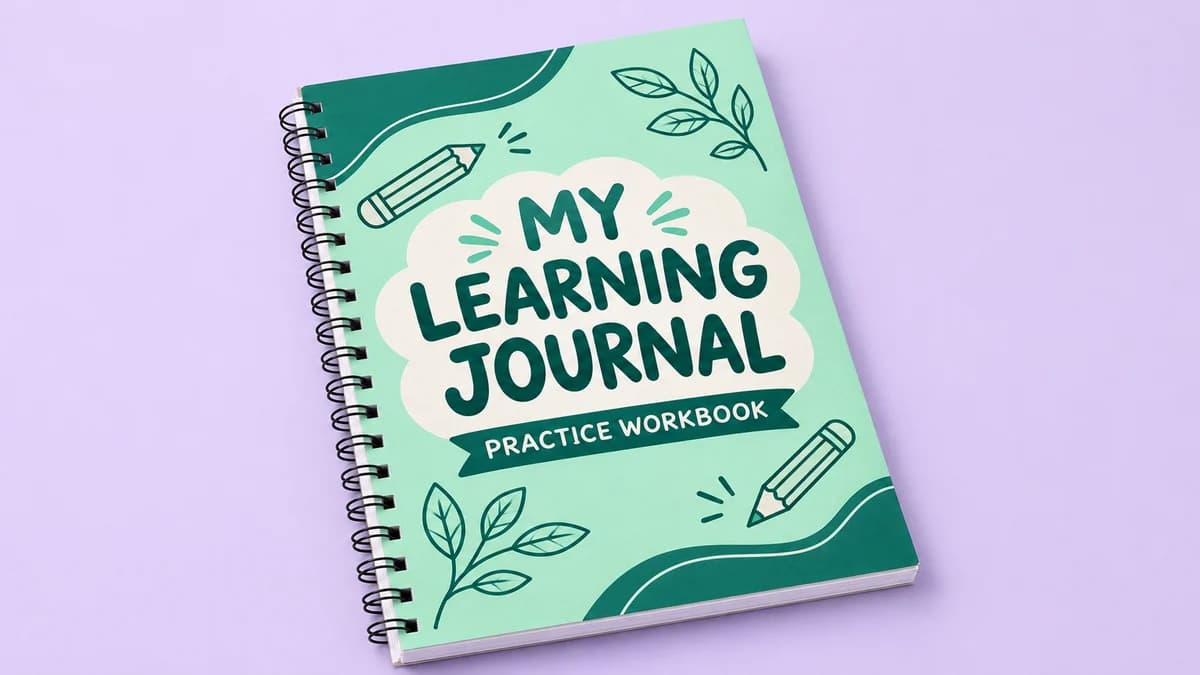
A workbook for writing
Wire-O binding passes wire loops through holes alongside the spine. Open a sample on a desk and write on both sides of a spread. Move checkboxes, diagrams and answer lines clear of the punch area. Ask the printer for the punch clearance for your format.
Punch clearance matters on both faces of a leaf. A worksheet can look generous on odd pages and lose the first answer box on even pages if every page uses the same left margin. Print an odd and even page together, mark the planned punch area and turn the sheet over. Ask a left-handed reader as well as a right-handed reader to complete the exercise.
A booklet made from folded sheets
Centre staples hold nested folded sheets through the fold. Each folded sheet contributes four pages, so a 20-page self-cover booklet uses five sheets. Check whether a quote counts a separate cover. Fold a paper dummy to see where the centre spread falls, and supply your PDF in reading order unless the printer requests imposed spreads.
Write one page number on each face of the folded dummy, beginning with the front cover if it is part of the count. Unfold the sheets and notice how distant page numbers share one sheet. This explains why adding a single page of text can require extra blank pages. Let the printer arrange the pages for the press once you have agreed the final reading sequence.
Choose for a task the reader will actually perform
Imagine a 96-page training manual. Day one is mostly reading. Day two asks participants to copy measurements into a table while looking at equipment. Print the hardest spread and try completing the table with one hand. If a participant has to hold the book open with the other, a flat-opening binding is worth sampling. If it is a course reader with a separate answer sheet, a paperback may serve the same class well.
Now consider a 16-page programme for the event. Fold four sheets, including the cover, to make a self-cover dummy. Check whether the centre spread gives the timetable enough uninterrupted space. A request for 16 inside pages plus a separate cover describes a different job. Write that distinction on the quote request so you can compare like quantities.
Send a specification a printer can price
Include the closed trim size, inside page count, cover arrangement, paper, quantity and the binding you want sampled. Attach the page with the smallest inside margin and describe how readers will use it. Ask which limits apply to that page count and stock, and what happens if four more pages are added. Keep the approved sample with its specification. A change to stock thickness can affect how the same binding opens.